How to Capture Stunning Night Photography Without Expensive Gear
Category:
ARTICLE
May 4, 2024
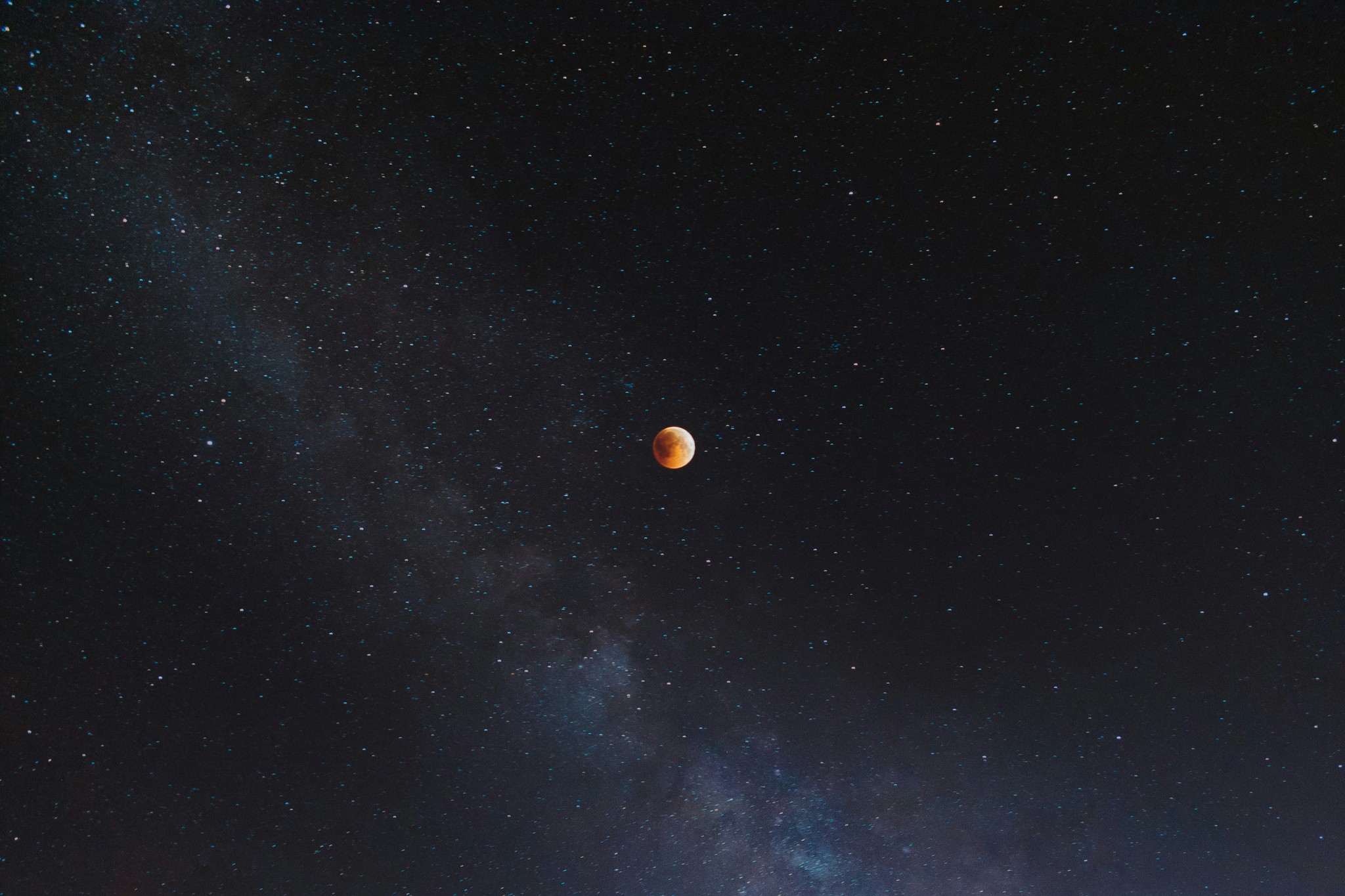
Night photography can be magical, with city lights, starry skies, and long-exposure trails creating breathtaking images. Many people assume that capturing stunning night shots requires expensive professional cameras and lenses, but in reality, great results can be achieved with budget-friendly equipment and the right techniques.
One of the most critical aspects of night photography is adjusting camera settings for low light. A slow shutter speed (anywhere from a few seconds to several minutes) allows more light to reach the sensor, resulting in well-exposed night shots. Since longer exposures increase the risk of motion blur, using a tripod is essential to keep the camera steady. Additionally, a remote shutter release or the camera’s built-in timer can help prevent camera shake when pressing the shutter button.
ISO settings play a crucial role in low-light conditions. A higher ISO (such as 800, 1600, or 3200) makes the camera more sensitive to light, allowing for brighter images. However, increasing ISO too much can introduce noise (grain) into the image. To balance brightness and image quality, it’s best to start with a lower ISO and increase it only when necessary. Shooting in RAW format allows for better noise reduction in post-processing.
Manual focus is often better than autofocus in night photography, as many cameras struggle to focus in the dark. Using live view and zooming in on the screen can help ensure sharp focus. Some photographers use a flashlight or laser pointer to illuminate the subject temporarily, making it easier to focus.
Light sources play a significant role in the composition of night photography. Cityscapes, neon signs, and car headlights can create dramatic effects. Light trails from moving vehicles can be captured using long-exposure techniques, resulting in dynamic streaks of light across the frame. For astrophotography, using a wide-aperture lens (f/2.8 or lower) helps capture as much starlight as possible.
Another creative technique is light painting, where a handheld light source (such as a flashlight or LED wand) is used to "paint" light onto a scene during a long exposure. This technique allows photographers to add artistic effects and highlight specific areas of their composition.
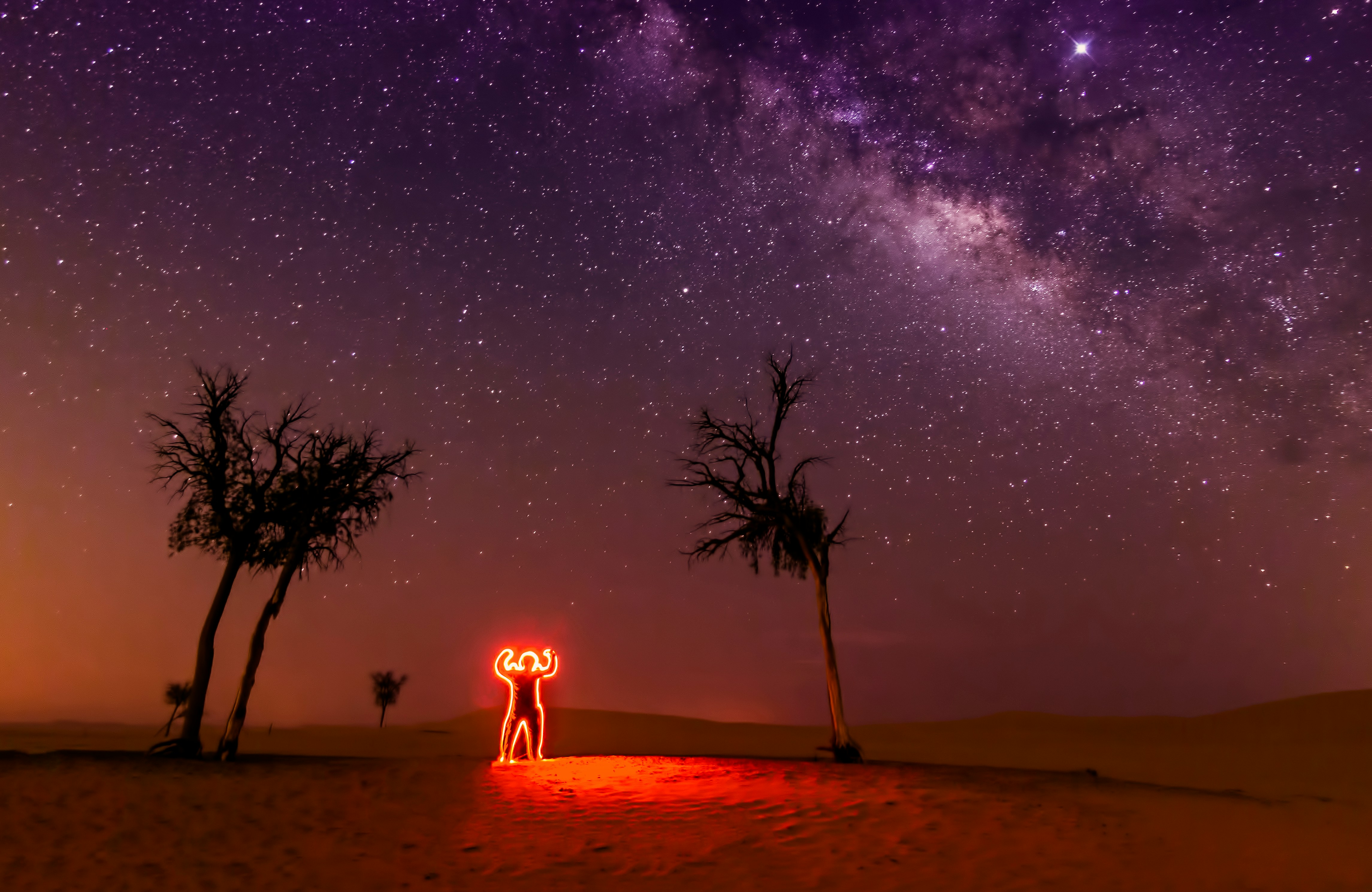
By mastering these techniques, photographers can capture breathtaking night images without needing expensive gear. The key is to experiment, be patient, and embrace the artistic possibilities that night photography offers.


